Thursday, 26 March 2015

Developing styles and flowers

Developing from my automatic drawings on friday i decided on making flowers out of some different materials.
coloured paper, tissue paper and sharpie


Sharpies.


acrylic paint applied with fingers and hands with a tissue paper centre. 

26/03/2015 Targets


  • develop more designs/ideas for fire curtain of 'Parade'
  • research into how flowers can represent the characters of the ballet
  • re-look at the ballet to describe each character
  • read back the synopsis to understand where i'm going with the project and to help previous target
  • look for into what the original fire curtain for the show was and what it represents


consolidate research from performance fire curtains into own designs for 'parade'

Friday, 20 March 2015

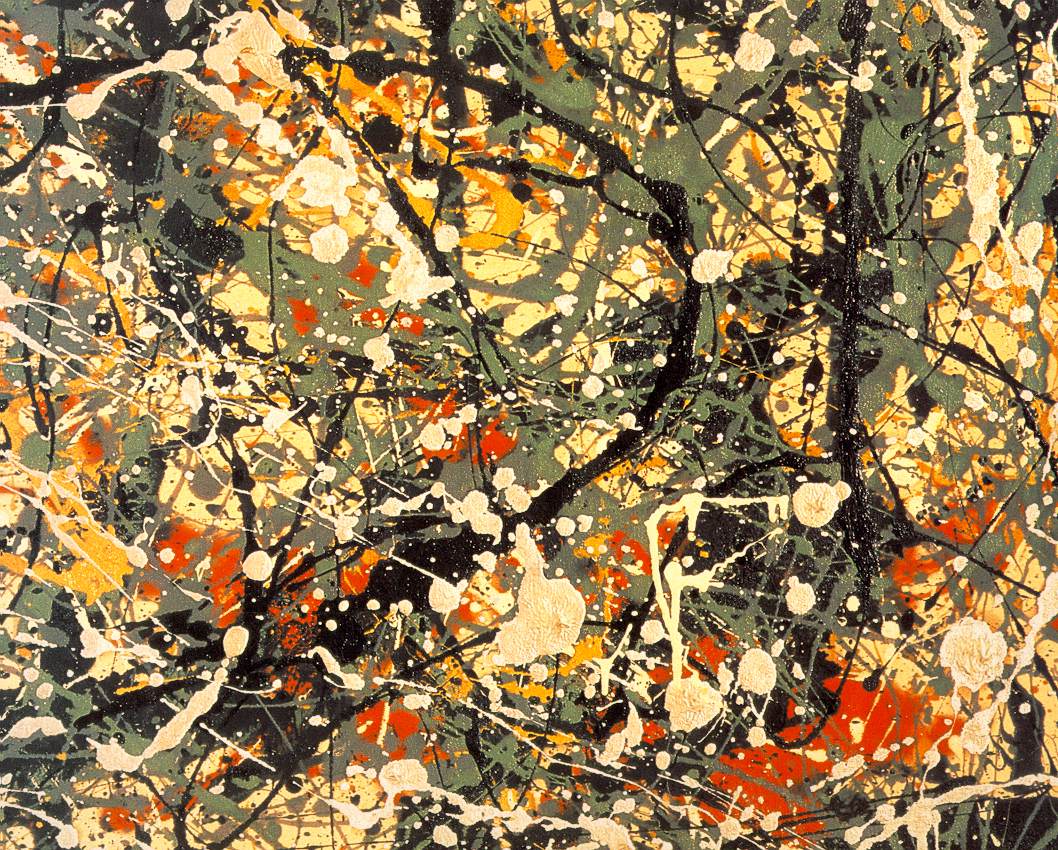
Automatic painting-Pollck style

research into abstract expresionism called for some automatic painting. And since flowers were coming out in my work i decided it would be fun to do some flower designs in Pollock's style


This was the first, more fitting style, that i did by splattering paint using various materials such as pain brushes and sticks.


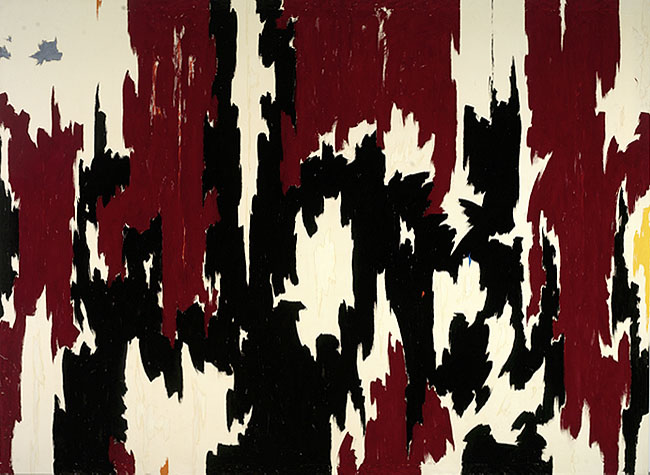
I then channeled some insparation from Kline with his large dark and bold lines. I injected some colour though as i didn't like the plainness of his originals.

I'm not sure how to explain where this came from, it was purely experimental and automatic. i used a pallet knife to spatter the paint on the page and the colours i used reminds me almost of a sunset. the movements are full of expression and are the bold movements seen in the artists work i had previously looked at.

I finally got round to creating some flower paintings by dripping paint on to the paper below me from a paintbrush. i added the darker blue to contrast with the blue paper and to also hint at what the colour the petals would be were it to be a real flower or painted from observation.

I liked the final outcome of this automatic drawing with the deep purple tones adding the suggestion of the light.

Thursday, 19 March 2015

Abstract Expressionism


Abstract expressionism is a post–World War II art movement in American painting, developed in New York in the 1940s. It was the first specifically American movement to achieve international influence and put New York City at the center of the western art world, a role formerly filled by Paris.


Artists included:

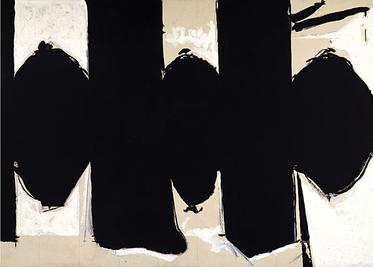
Robert Motherwell


I quite like Motherwell's work for the bold shapes he uses in his work matched with hints of colour.

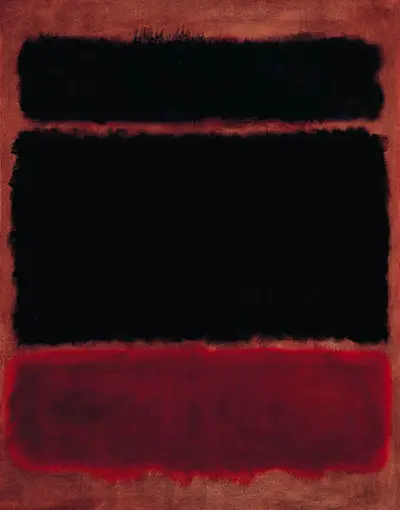
Mark Rothko

I'm really not a fan of Mark Rothko. Mainly for the reason his work is the opposite of what i aim for with mine. He wishes to pull a feeling of uncomfortableness from the people who witness his work through colour and scale where as i wish for them to feel happy. 


Franz Kline


Although i would inject some colour into this work i do like the bold brush strokes. Each line draggs your eye to look at a new part of the painting which is characteristic of abstract expressionism.


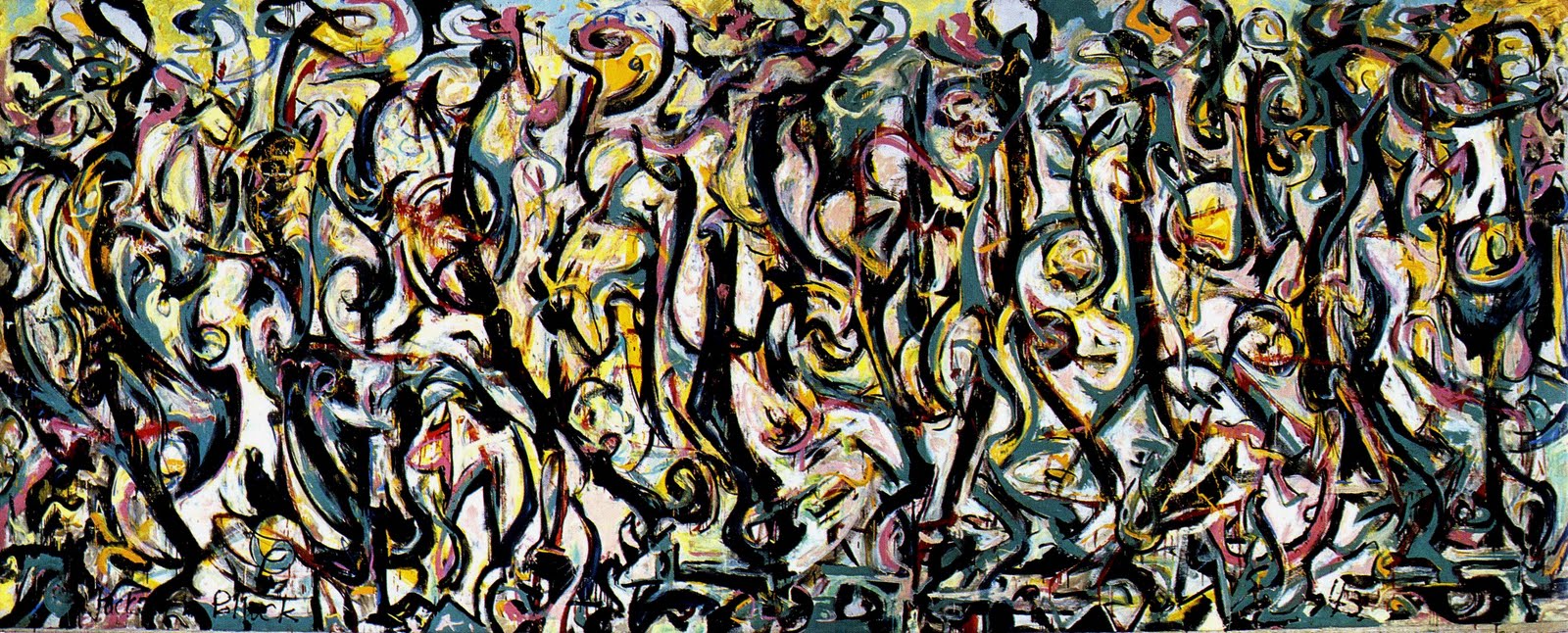
Jackson Pollock


I'm undecided about whether i like Pollock's work. I like the incorporation of colour in his work and the expression within it, however some of the pieces for me look unskilled although time and effort have gone into them.


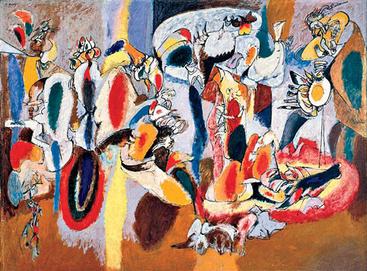
Arshile Gorky


I really like Gorky's use of colour and shapes within his work. it reminds me of my own original automatic drawings. 


Willem De Kooning


The shapes and lines in De Kooning's work are unclear and more subtle to what i prefer however i do like the bold primary colours


Clyfford Still


I really like Still's work. The vibrancy and abstract form of the colours and composition attract me. His work can be taken as many objects with people suggesting they look like flowers and butterflies. I think they have an element of freedom within them which is mainly why i like them so much. 

Friday, 13 March 2015

Automatic Drawing - Degenerate art


Degenerate Art

What it was:

The first thing I found out was how the term degenerate art was created. It started when Hitler could not paint in the style of modern artists of the time such as Jean Metzinger and Emil Nolde but painted photo-realistically instead.


Because of this he got rejected from art school. When Hitler came to power he decided to put on an exhibition of all the modern artists who painted in a modernism style. he called this exhibition "degenerate art". The exhibition included work from the Dada movement, Impressionism, Fauvism and Bauhaus. He believed this art was degenerate because it did not show the true form of the world and was not what he wanted Germany's art to be. The exhibition was the more successful art exhibition in all time with around 3,000,000 people going to visit it.


The artists who's work was labelled "degenerate" were often sanctioned and some were banned from producing more artwork. Many art students at that time went to see the exhibition for fear of never being able to see the artworks again. However the works were hung in such a way it was clear they were not to be idolised and admired. They were clumped together in dim lighting in an attempt to make it seem more "degenerate". their aim was to make to rest of the nation also believe this work was hideous, useless and "degenerate". For a lot, this was successful. however, there were many who disagreed with what Hitler was doing to the art but could not speak up for fear of the consequences.


My Views:
As a strong believer in the subjectivity of art I couldn't disagree more with what Hitler and the Nazi party did. I believe just because one person doesn't like a piece of art work doesn't necessarily mean the rest of the population will find it equally bad but may find it desirable. I think that Hitler was actually just a little bit jealous. He hadn't gotten into art school because he was unable to paint in a modernism form which the world wanted at that time so he got rid of it, replacing it with the art he could do. He attacked and described the artists work as "degenerate" and had it shown in such a manner where you couldn't appreciate their work.


Artists included:
  • Jean Metzinger
major 20th-century French painter, theorist, writer, critic and poet, who along with Albert Gleizes, developed the theoretical foundations of Cubism.

  • Emil Nolde
  • Wassily Kandinsky
  • Paul Klee
  • Max Beckmann
  • George Grosz

Thursday, 12 March 2015

Set Designs - Bauhaus automatic drawing inspired

I decided from my initial thoughts after looking at Bauhaus to think of set design and my pathway for this project. Thinking in terms of "Parade" i had decided i wanted two vocal points of the stage; one being the backdrop and the other to be the arch around the stage.

I started with quick designs for both elements which came from my automatic drawings i'd previously done.


From these i chose which shapes i wanted to change and manipulate into what i wanted and how i wanted to use them. colour was to be a large part of the project for me so i looked back at previous bauhaus research and decided on the colours to apply to my designs. they're mainly primary colours with few secondary to tie them together.


i'm happy with how my ideas developed as it is clear to see how they have progressed into further designs through the week. starting from automatic drawing allowed my designs to be exactly what i was thinking and i think the confidence within the shapes and designs shows in my work.